Nature Walks in Lake Mburo National Park
Nature walks in Lake Mburo National Park offer visitors a unique and intimate way to explore the park’s natural beauty. Unlike traditional game drives where tourists observe wildlife from vehicles, nature walks allow visitors to experience the wilderness on foot, guided by trained rangers. This activity provides a closer connection to the environment and allows travelers to appreciate the park’s landscapes, wildlife, plants, and birdlife in a more personal and immersive way.
Lake Mburo National Park is one of the few national parks in Uganda where guided walking safaris are permitted. This makes it an exceptional destination for travelers seeking adventure and a deeper understanding of nature
The Experience of a Nature Walk
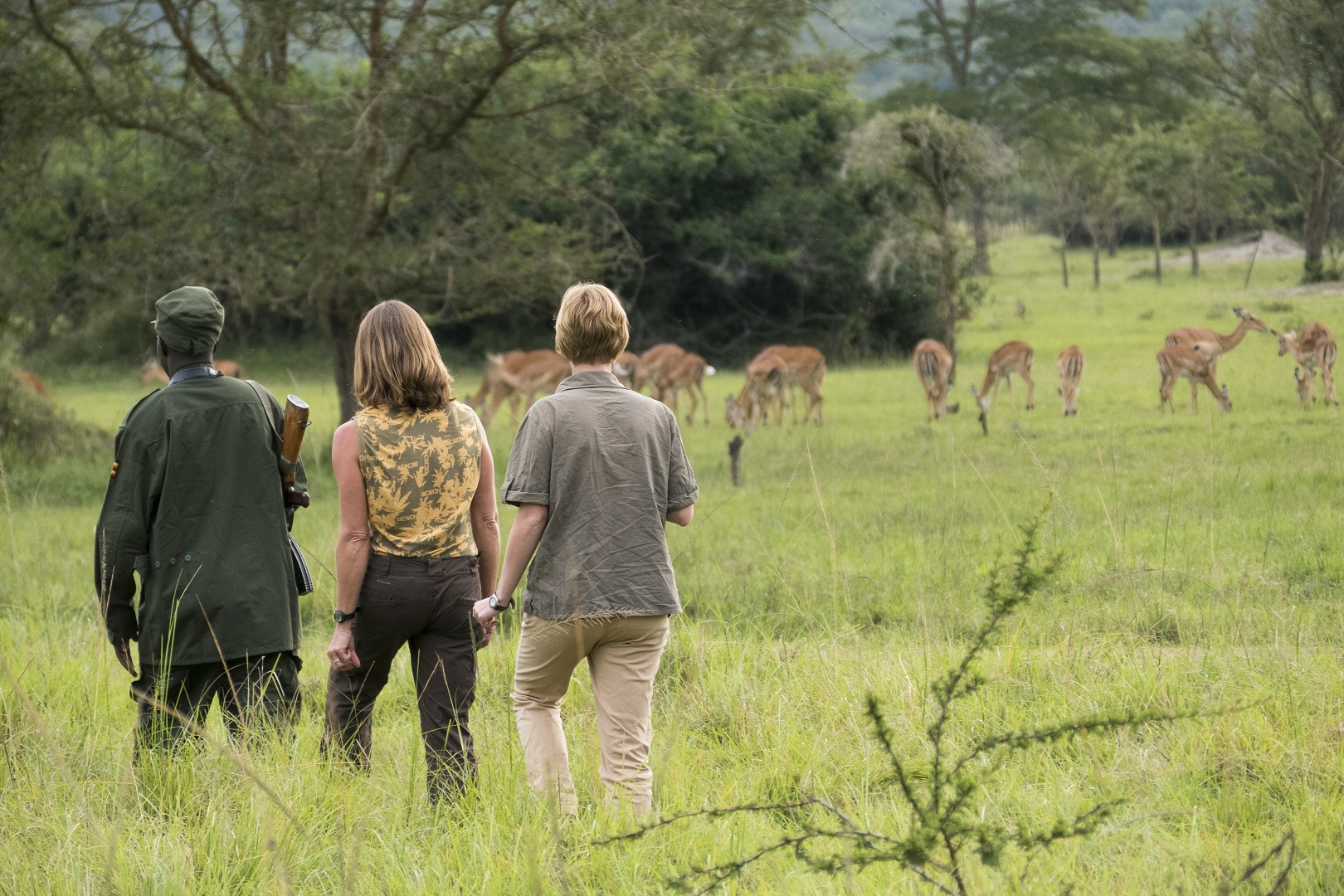
A typical nature walk in the park begins early in the morning or late in the afternoon when temperatures are cooler and wildlife is more active. Visitors are accompanied by armed park rangers who ensure safety while also sharing valuable information about the park’s ecosystem.
During the walk, visitors move quietly through savannah grasslands, woodland areas, and along the shores of the lakes. The slow pace allows tourists to observe details that are often missed during vehicle safaris, such as animal tracks, insects, plants, and smaller wildlife species.
Walking through the wilderness also creates an exciting sense of adventure, as visitors experience the natural environment from the same level as the wildlife.

Wildlife Seen During Nature Walks
Nature walks in Lake Mburo National Park provide excellent opportunities to observe several animals at close range. Although large predators are rarely encountered during these guided walks, visitors may see a variety of herbivores and smaller mammals.
Common wildlife sightings include:
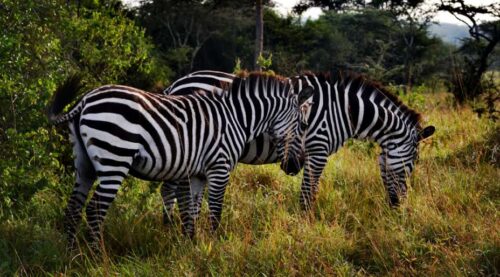
Zebras
Impalas
Topis
Elands (the largest antelope in Africa)
Warthogs
Bushbucks
Waterbucks
Visitors may also spot smaller creatures such as mongoose, squirrels, and various reptiles.
Because the park has a relatively low population of dangerous predators compared to other parks, walking safaris are considered safe when guided by experienced rangers.

Bird Watching Opportunities
Lake Mburo National Park is a paradise for bird lovers, and nature walks offer one of the best ways to observe birds in their natural habitats. The park is home to more than 350 bird species, making it one of the most important birdwatching destinations in Uganda.
During nature walks, visitors may see birds such as:
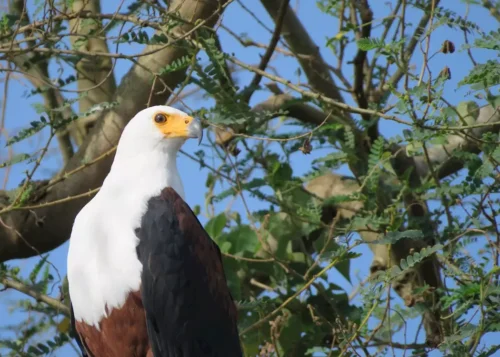
African fish eagle
Crested crane
Kingfishers
Hornbills
Bee-eaters
Herons
The quiet atmosphere of a walking safari allows birdwatchers to listen to bird calls and observe birds closely without disturbing them.
Exploring the Park’s Landscapes
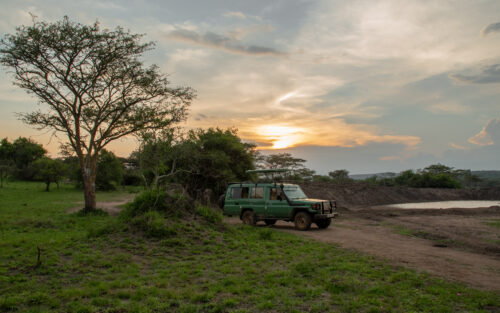
Lake Mburo National Park features a variety of beautiful landscapes that can be explored during nature walks. These include:
Rolling savannah grasslands
Acacia woodlands
Rocky hills and ridges
Wetlands and lakeshores
Papyrus swamps
The scenic views of lakes, valleys, and distant hills make nature walks particularly enjoyable for photographers and nature enthusiasts.
One of the most popular walking areas is around the park’s salt licks, where animals gather to obtain essential minerals from the soil.
Educational and Conservation Value
Nature walks are not only recreational but also educational. During the walk, park rangers explain various aspects of the ecosystem, including animal behavior, plant species, and conservation efforts.
Visitors learn how different plants are used for food, medicine, and shelter by wildlife and local communities. This knowledge helps tourists appreciate the importance of protecting natural habitats and wildlife.
Best Time for Nature Walks
Nature walks can be enjoyed throughout the year in Lake Mburo National Park, but the best times are during the dry seasons:
June to August
December to February
During these months, the trails are easier to walk on, and wildlife tends to gather near water sources, increasing the chances of sightings.
However, the rainy seasons also offer lush green scenery and excellent birdwatching opportunities.
Safety During Nature Walks
Safety is a top priority during nature walks in the park. All walks are conducted under the supervision of trained and armed park rangers who are experienced in wildlife behavior.
Visitors are advised to follow the ranger’s instructions at all times, maintain a safe distance from animals, and move quietly to avoid disturbing wildlife.
Comfortable walking shoes, drinking water, hats, and sunscreen are recommended for a safe and enjoyable experience.