Lakes of Lake Mburo National Park: The Lifeblood of the Ecosystem
Nestled in western Uganda, Lake Mburo National Park is home to five lakes within its boundaries and part of a larger system of 14 interconnected lakes. These lakes are not just scenic features—they are the ecological engine that sustains the park’s biodiversity.
Overview of the Lake System
The park lies within a precambrian basin, where water collects to form a chain of lakes linked by swamps and seasonal streams. These wetlands act as natural filters and reservoirs, ensuring year-round water availability even during dry seasons.
This makes the park a critical refuge for animals, especially when surrounding areas dry up.
Major Lakes in Lake Mburo National Park
1. Lake Mburo
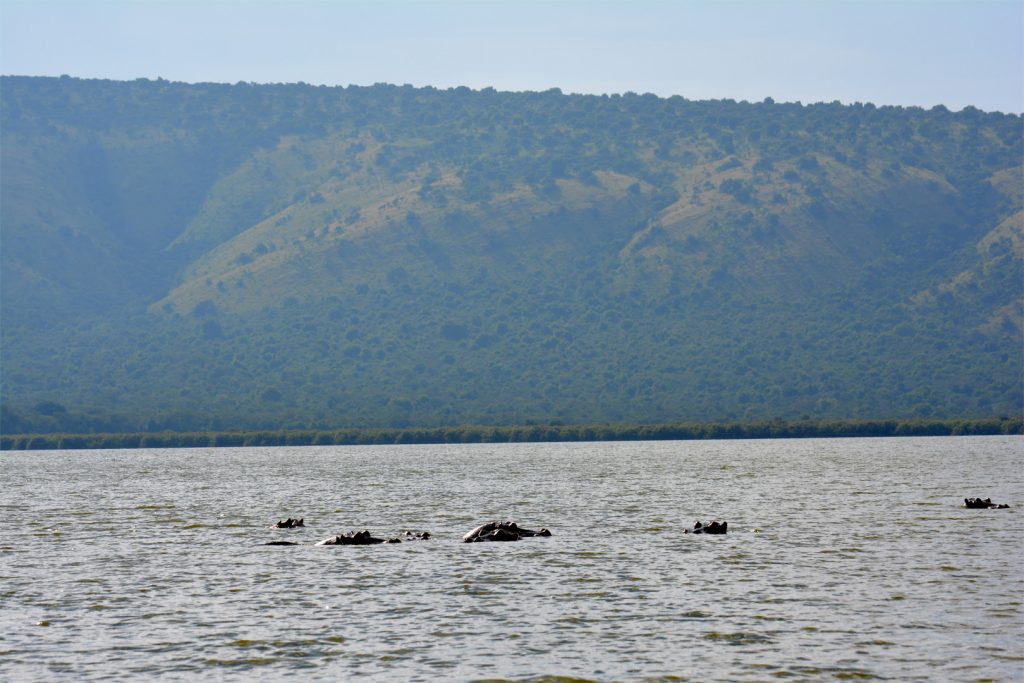
The largest and most prominent lake in the park, Lake Mburo is the centerpiece of the ecosystem.
- Supports large populations of Hippopotamus
- Home to Nile Crocodile
- Offers boat safaris, one of the park’s top attractions
- Rich in fish, especially tilapia
Its calm waters and surrounding vegetation attract a wide range of wildlife, especially during sunrise and sunset.

2. Lake Kigambira
Located in the western part of the park, this lake is surrounded by papyrus swamps.
- Important for bird breeding
- Less visited, offering a more undisturbed habitat
- Supports rare wetland bird species

3. Lake Kazuma
A shallow lake that often fluctuates with rainfall.
- Can partially dry during dry seasons
- Attracts grazing animals due to surrounding grasslands
- Important for seasonal wildlife movement
4. Lake Bwara
Known for its quiet and remote setting.
- Less human activity
- Ideal for wildlife seeking minimal disturbance
- Supports aquatic plants and birdlife
5. Lake Rubanga
A small but ecologically rich lake.
- Famous for birdwatching
- Surrounded by dense vegetation
- Habitat for several rare bird species

Birdlife Around the Lakes
The lake system makes the park a birding paradise with over 350 bird species recorded.
Notable species include:
- African Fish Eagle
- Papyrus Gonolek
- Malachite Kingfisher
The papyrus swamps and shorelines provide ideal nesting and feeding grounds.

Wildlife Supported by the Lakes
The lakes are essential for many animals, including:
- Zebra (Lake Mburo is Uganda’s main zebra habitat)
- Impala
- Buffalo
- Warthog
During dry periods, animals congregate near the lakes, making them prime viewing spots.
Activities on the Lakes
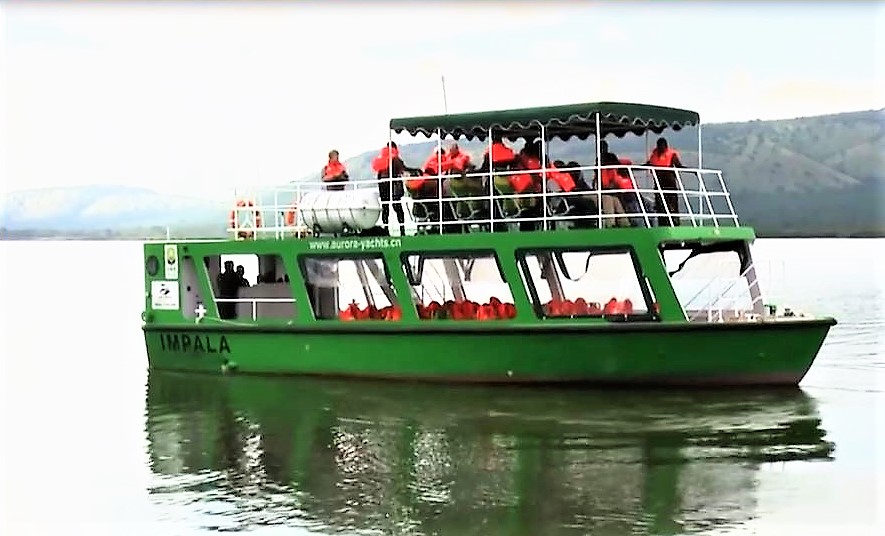
Boat Safaris
- Conducted mainly on Lake Mburo
- Offer close views of hippos, crocodiles, and birds
- Best times: early morning or evening
Bird Watching
- Lakes like Rubanga and Kigambira are ideal
- Guided walks enhance the experience

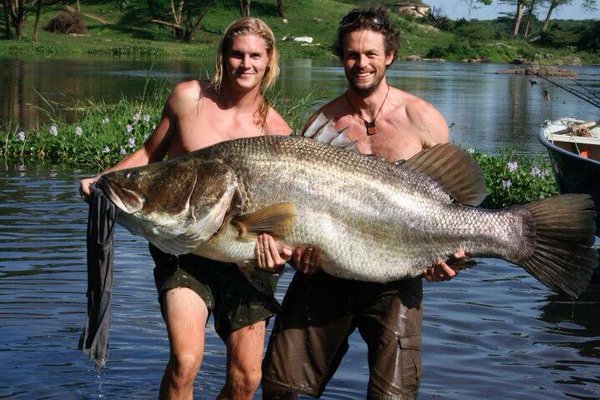
Fishing
- Permitted in designated areas
- Common catch: tilapia
Ecological Importance
The lakes:
- Maintain water balance in the park
- Support wetland vegetation
- Act as climate regulators
- Provide breeding grounds for fish and birds
They are crucial for maintaining the fragile savannah ecosystem.
Conservation Challenges
Despite their importance, the lakes face threats:
- Encroachment from surrounding communities
- Pollution and overfishing
- Climate variability affecting water levels
Efforts by the Uganda Wildlife Authority aim to protect these water bodies through sustainable management.