Rwenzori Mountains National Park

Discover Uganda’s legendary Mountains of the Moon, home to Africa’s third-highest peak, spectacular glaciers, waterfalls, wildlife, and unforgettable hiking adventures.

Rwenzori Mountains National Park – The Complete Travel Guide to Uganda’s Mountains of the Moon

Nestled along Uganda’s western border with the Democratic Republic of the Congo, Rwenzori Mountains National Park is one of Africa’s most spectacular natural wonders. Commonly referred to as the “Mountains of the Moon,” the Rwenzori Mountains are famous for their snow-capped peaks, glaciers, waterfalls, rivers, alpine vegetation, unique wildlife, and challenging hiking trails.

Established in 1991 and designated a UNESCO World Heritage Site in 1994, the park covers approximately 996 square kilometers and protects one of the most beautiful mountain ecosystems on the African continent. Unlike volcanic mountains such as Mount Kilimanjaro and Mount Kenya, the Rwenzori Mountains were formed through tectonic uplift, creating dramatic landscapes of rugged peaks, deep valleys, crystal-clear streams, and permanent glaciers.

The mountain range contains Africa’s third-highest peak, Margherita Peak (5,109 meters) on Mount Stanley, making it one of the continent’s most sought-after mountaineering destinations. Beyond its peaks, the park offers incredible opportunities for bird watching, wildlife viewing, nature photography, cultural experiences, and multi-day trekking adventures.

For travelers seeking an authentic wilderness experience far from crowded tourist routes, Rwenzori Mountains National Park offers one of Uganda’s most rewarding adventures.

Location of Rwenzori Mountains National Park

Rwenzori Mountains National Park is located in western Uganda within the districts of Kasese, Bundibugyo, and Ntoroko. The park stretches along the border between Uganda and the Democratic Republic of Congo and forms part of the biologically rich Albertine Rift Valley.

Distance from Major Destinations

Destination

Distance

Driving Time

Kampala

375 km

6–8 Hours

Entebbe

420 km

7–8 Hours

Fort Portal

100 km

2 Hours

Queen Elizabeth National Park

75 km

1–2 Hours

Kibale National Park

120 km

2–3 Hours

The main gateway to the park is the town of Kasese, which serves as the starting point for most trekking expeditions.

History of the Rwenzori Mountains

The Rwenzori Mountains have fascinated explorers for centuries. Ancient Greek geographer Claudius Ptolemy described mysterious snow-covered mountains near the source of the Nile and referred to them as the “Mountains of the Moon.”

For many centuries these mountains remained largely unknown to the outside world until European explorers rediscovered them during the nineteenth century. In 1889, Henry Morton Stanley became one of the first Europeans to document the range extensively.

The mountains were initially protected as a forest reserve in 1941 before being upgraded to national park status in 1991. Due to their exceptional biodiversity and outstanding natural beauty, the park was declared a UNESCO World Heritage Site three years later.

Today the park remains one of Africa’s most unique mountain conservation areas

Geography and Landscape

The Rwenzori Mountains differ significantly from other East African mountain ranges. Rather than being volcanic, they were formed by tectonic forces that lifted massive blocks of rock from the earth’s crust.

The range stretches approximately 120 kilometers long and 65 kilometers wide, creating an impressive chain of peaks, valleys, rivers, waterfalls, and alpine plateaus.

The park contains:

  • Snow-capped mountain peaks
  • Permanent glaciers
  • Alpine bogs
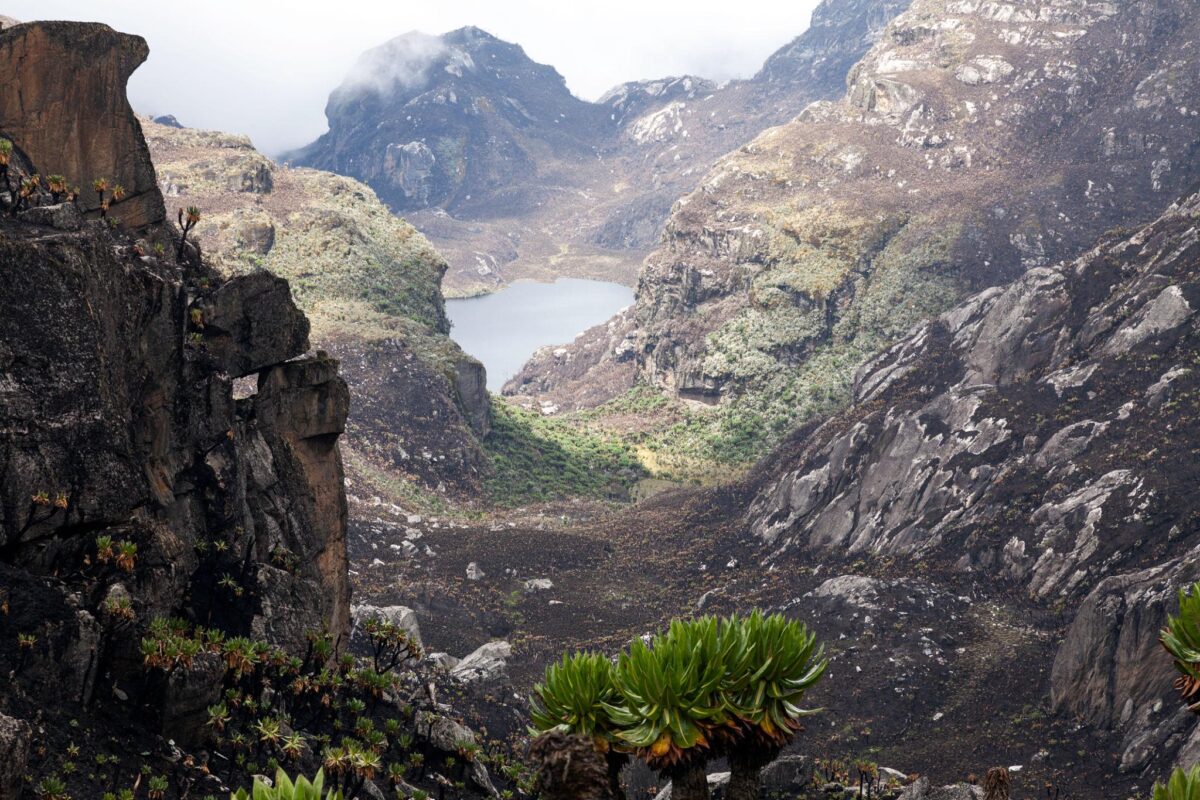
  • Crystal-clear lakes
  • Waterfalls
  • Dense tropical rainforests
  • Bamboo forests
  • Heather zones
  • Moorlands
  • Rivers and streams

These diverse habitats support an extraordinary variety of plants and animals found nowhere else on earth

The Major Peaks of the Rwenzori Mountains

The Rwenzori range consists of six major mountains exceeding 4,500 meters in elevation.

Mount Stanley

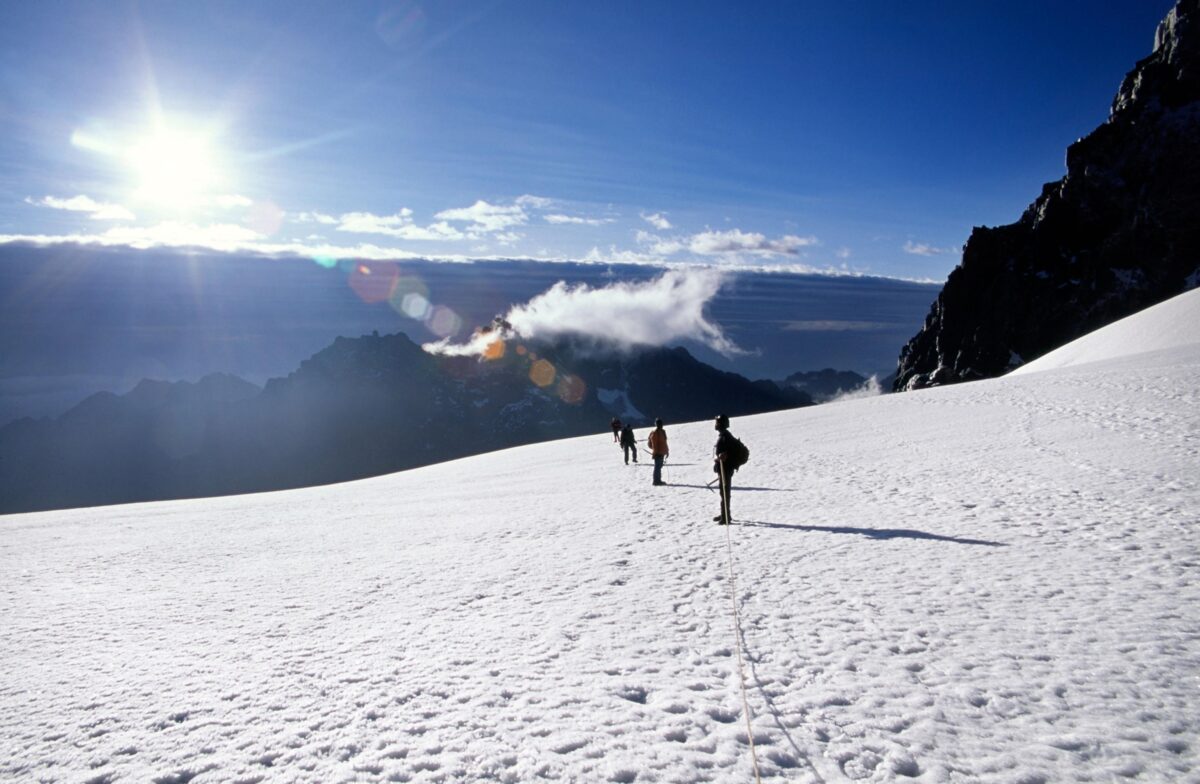
Mount Stanley is the highest mountain in the range and the third-highest mountain in Africa.

Elevation

5,109 meters (Margherita Peak)

Highlights
  • Permanent glaciers
  • Snowfields
  • Dramatic cliffs
  • Spectacular alpine scenery
  • Technical climbing routes

Margherita Peak attracts climbers from around the world seeking one of Africa’s greatest mountaineering challenges.

Mount Speke

Elevation: 4,890 meters

Named after explorer John Hanning Speke, this peak offers magnificent views of surrounding glaciers and valleys.

Mount Baker

Elevation: 4,844 meters

Known for:

  • Rocky ridges
  • Alpine vegetation
  • Stunning landscapes
  • Excellent hiking opportunities
Mount Emin

Elevation: 4,798 meters

Located close to the Congo border and offering breathtaking mountain scenery.

Mount Gessi

Elevation: 4,715 meters

Characterized by dramatic cliffs and rugged terrain.

Mount Luigi di Savoia

Elevation: 4,627 meters

The smallest of the major peaks but equally beautiful.

Unique Vegetation Zones

One of the most fascinating features of Rwenzori Mountains National Park is the dramatic change in vegetation as altitude increases.

Montane Forest Zone (1,800–2,500m)

The lower slopes are covered in dense tropical rainforest.

Vegetation includes:

  • Mahogany trees
  • Ferns
  • Lianas
  • Moss-covered trunks
  • Wild flowers

This zone supports most of the park’s wildlife.

Bamboo Zone (2,500–3,000m)

Large bamboo forests dominate this altitude range.

The bamboo zone provides shelter and food for numerous birds and mammals.

Heather Zone (3,000–4,000m)

This zone is characterized by:

  • Giant heather trees
  • Thick moss
  • Lichens
  • Mist-covered forests

The landscape appears almost prehistoric.

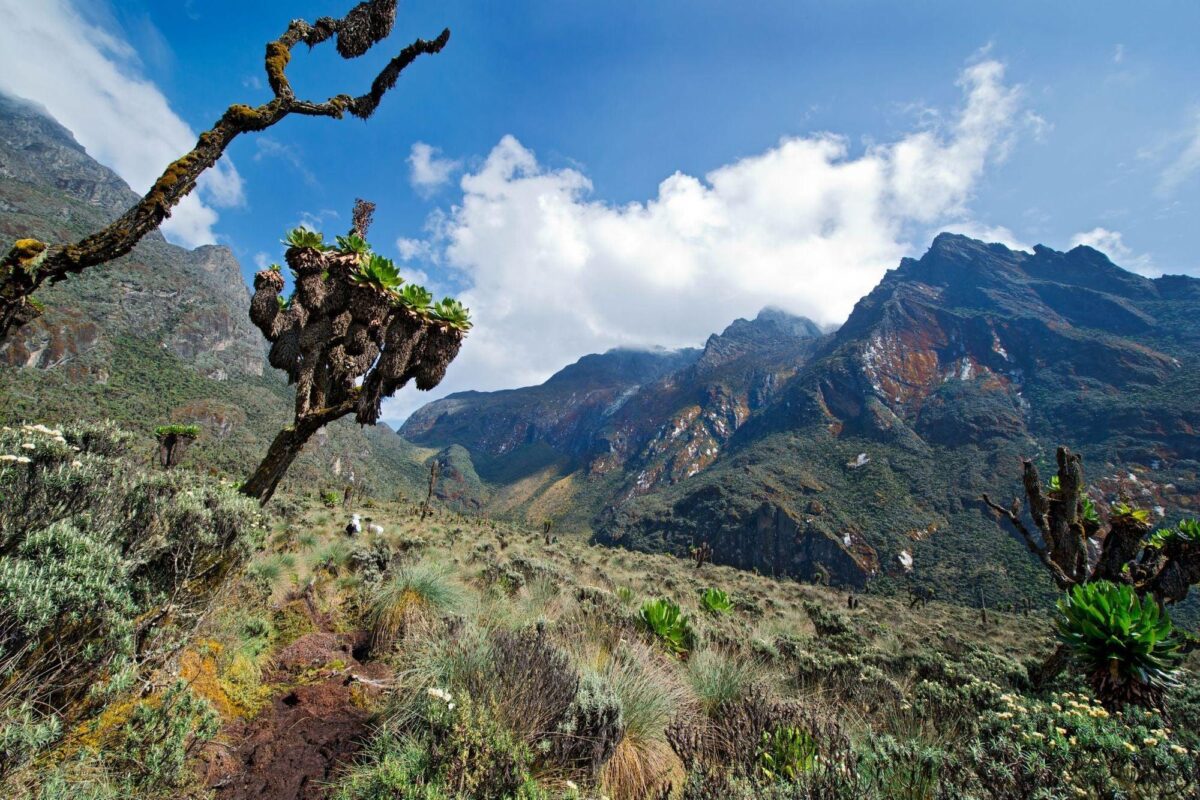
Alpine Moorland Zone (Above 4,000m)

One of the most unique ecosystems in Africa.

Features include:

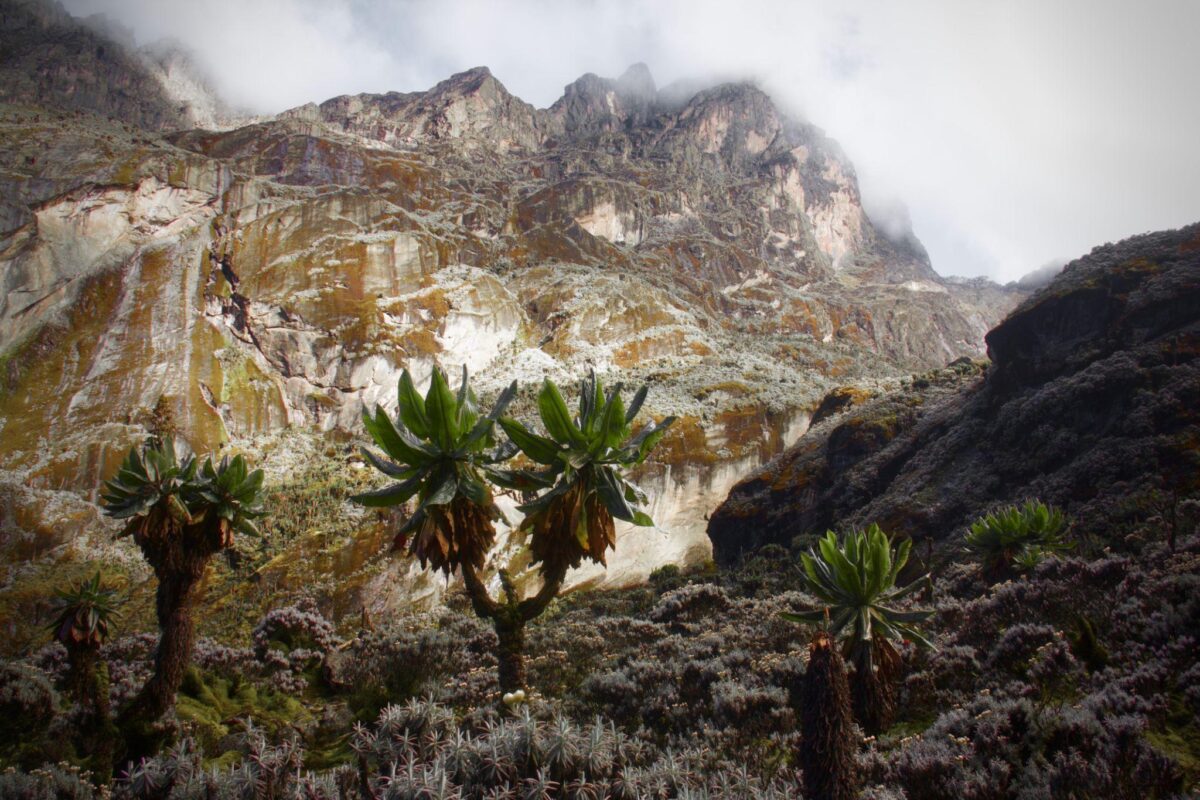
  • Giant lobelias
  • Giant groundsels
  • Alpine meadows
  • Rocky ridges
  • Bogs and wetlands

The giant plants create an otherworldly environment unlike anywhere else on the continent.

Wildlife in Rwenzori Mountains National Park

Although hiking is the main attraction, the park also supports diverse wildlife populations.

Mammals Found in the Park

  • Forest elephants
  • African buffaloes
  • Giant forest hogs
  • Bushbucks
  • Duikers
  • Hyraxes
  • Chimpanzees
  • Blue monkeys
  • Black-and-white colobus monkeys
  • L’Hoest’s monkeys

Wildlife sightings are most common in lower forested sections of the park

Add Your Heading Text Here

The park is one of Uganda’s premier birding destinations.

More than 217 bird species have been recorded, including many Albertine Rift endemics.

Notable Species

  • Rwenzori Turaco
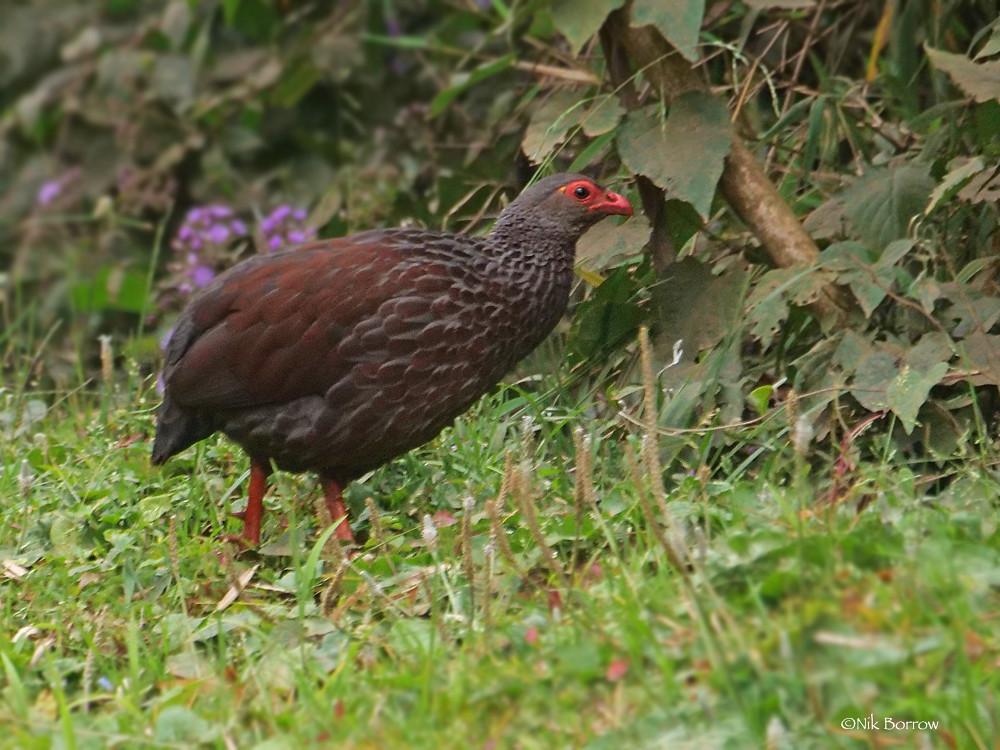
  • Handsome Francolin
  • Archer’s Robin-Chat
  • Long-Eared Owl
  • Blue-headed Sunbird
  • Scarlet-Tufted Sunbird
  • Rwenzori Batis
  • Strange Weaver
  • Lagden’s Bush Shrike

Birding opportunities are excellent throughout the year.

Activities in Rwenzori Mountains National Park

Mountain Climbing

The most popular activity.

Visitors can attempt the challenging ascent to Margherita Peak through guided multi-day expeditions.

Typical climbing duration:

  • 7–10 days

Highlights include:

  • Glaciers
  • Snowfields
  • Alpine lakes
  • Spectacular viewpoints

Rwenzori Mountains National Park Uganda | Hiking & Trekking Tours

Trekking and Hiking

Short and long hikes are available for all fitness levels.

Popular trails include:

Central Circuit Trail

Duration: 7–8 Days

Features:

  • Margherita Peak
  • Bujuku Valley
  • Kitandara Lakes
  • Glaciers
  • Moorlands

Kilembe Trail

Duration: 7–8 Days

Highlights:

  • Waterfalls
  • Forests
  • Scenic valleys
  • Less crowded routes

Many hikers consider this route the most scenic.

Nature Walks

Visitors who do not wish to undertake major treks can enjoy guided nature walks through:

  • Forest trails
  • Waterfall routes
  • Community areas
  • Scenic viewpoints

7 Days Rwenzori trekking Central Circuit Trail

Bird Watching

The forested lower slopes provide exceptional birding opportunities.

Experienced guides help visitors locate rare Albertine Rift species.

Photography

The park offers endless opportunities for photography.

Subjects include:

  • Snow-capped peaks
  • Waterfalls
  • Wildlife
  • Forest landscapes
  • Alpine vegetation
  • Traditional communities

Cultural Experiences

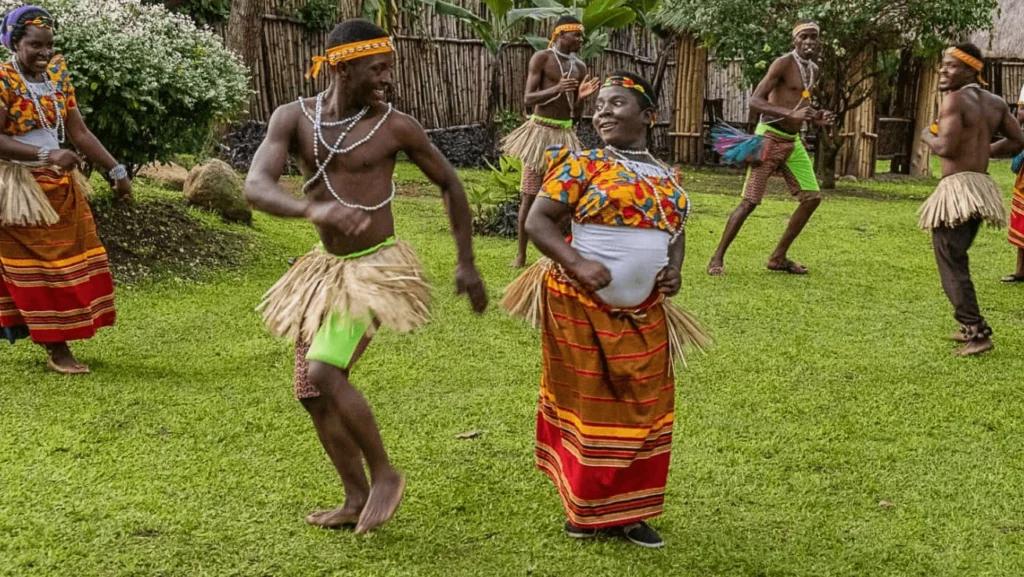
The local Bakonzo people have lived around the mountains for generations.

Visitors can participate in:

  • Village walks
  • Traditional dances
  • Storytelling sessions
  • Cultural performances
  • Local craft demonstrations

These experiences provide valuable insight into mountain life and local traditions.

Best Time to Visit Rwenzori Mountains National Park

The park can be visited throughout the year, but some months offer better hiking conditions.

Best Seasons

January – February
  • Less rainfall
  • Better visibility
  • Improved trail conditions
June – August
  • Dry weather
  • Excellent mountain views
  • Popular trekking season
December
  • Good trekking conditions
  • Clear mountain scenery

Rainy Seasons

March – May

Heavy rainfall can make trails muddy and challenging.

September – November

Frequent showers and reduced visibility occur.

However, the scenery remains exceptionally green and beautiful

Accommodation Around Rwenzori Mountains National Park

Visitors can choose from a variety of accommodation options.

Luxury Lodges

  • Equator Snow Lodge
  • Ihamba Lakeside Safari Lodge

Midrange Lodges

  • Ruboni Community Camp
  • Rwenzori International Hotel

Budget Accommodation

  • Guesthouses
  • Community camps
  • Backpacker lodges
  • Public campsites

What to Pack for Rwenzori Trekking

Packing properly is essential due to rapidly changing mountain weather.

Recommended items include:

  • Waterproof hiking boots
  • Warm fleece jackets
  • Waterproof rain jacket
  • Gloves
  • Wool socks
  • Walking poles
  • Backpack
  • Sleeping bag
  • Headlamp
  • Water bottle
  • Sunglasses
  • Sunscreen
  • Insect repellent
  • Camera equipment

Layered clothing is highly recommended

Adventure BG - СЪВЕТИ ЗА ЕКИПИРОВКА ПРИ ТРЕКИНГ И ПЛАНИНСКИ ПРЕХОДИ

Why Visit Rwenzori Mountains National Park?

There are many reasons why Rwenzori Mountains National Park is considered one of Africa’s greatest adventure destinations:

  • Home to Africa’s third-highest peak
  • UNESCO World Heritage Site
  • Spectacular snow-capped equatorial mountains
  • Unique giant lobelias and groundsels
  • Outstanding hiking and mountaineering opportunities
  • Rich wildlife and birdlife
  • Stunning waterfalls and alpine lakes
  • Incredible photography locations
  • Authentic cultural experiences
  • Less crowded than many East African mountain destinations

Whether you are an experienced mountaineer seeking the challenge of Margherita Peak or a nature lover looking for breathtaking scenery and unforgettable hiking experiences, Rwenzori Mountains National Park offers a journey unlike any other in Uganda.