Lakes of Lake Mburo National Park: The Lifeblood of the Ecosystem
Nestled in western Uganda, Lake Mburo National Park is home to five lakes within its boundaries and part of a larger system of 14 interconnected lakes. These lakes are not just scenic features—they are the ecological engine that sustains the park’s biodiversity.
🌍 Overview of the Lake System
The park lies within a precambrian basin, where water collects to form a chain of lakes linked by swamps and seasonal streams. These wetlands act as natural filters and reservoirs, ensuring year-round water availability even during dry seasons.
This makes the park a critical refuge for animals, especially when surrounding areas dry up.
🏞️ Major Lakes in Lake Mburo National Park
1. Lake Mburo
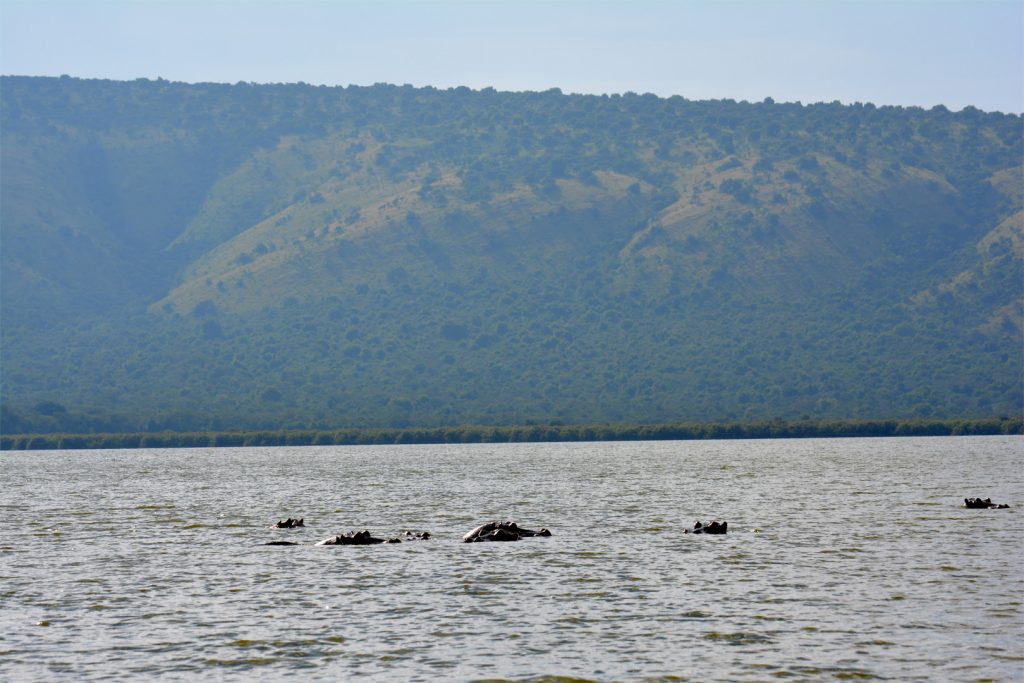
The largest and most prominent lake in the park, Lake Mburo is the centerpiece of the ecosystem.
- Supports large populations of Hippopotamus
- Home to Nile Crocodile
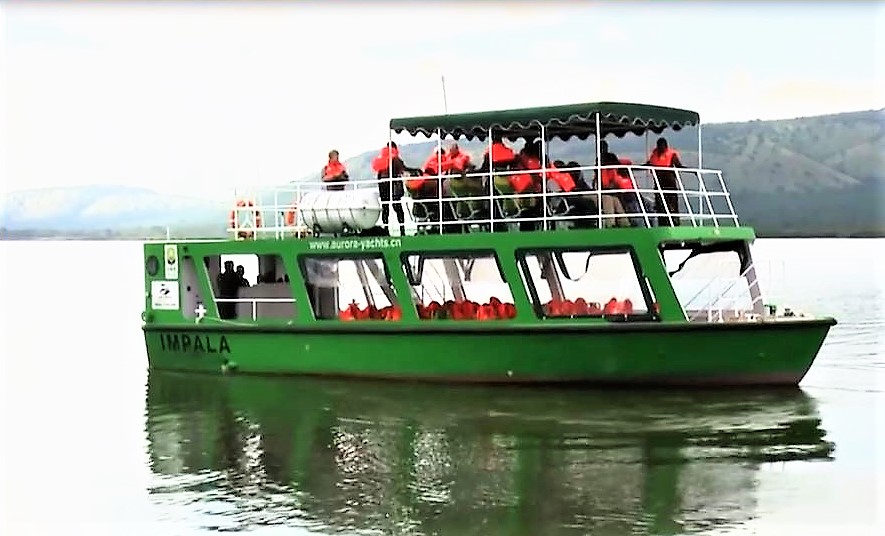
- Offers boat safaris, one of the park’s top attractions
- Rich in fish, especially tilapia
Its calm waters and surrounding vegetation attract a wide range of wildlife, especially during sunrise and sunset.

2. Lake Kigambira
Located in the western part of the park, this lake is surrounded by papyrus swamps.
- Important for bird breeding
- Less visited, offering a more undisturbed habitat
- Supports rare wetland bird species

3. Lake Kazuma
A shallow lake that often fluctuates with rainfall.
- Can partially dry during dry seasons
- Attracts grazing animals due to surrounding grasslands
- Important for seasonal wildlife movement
4. Lake Bwara
Known for its quiet and remote setting.
- Less human activity
- Ideal for wildlife seeking minimal disturbance
- Supports aquatic plants and birdlife
5. Lake Rubanga
A small but ecologically rich lake.
- Famous for birdwatching
- Surrounded by dense vegetation
- Habitat for several rare bird species

Birdlife Around the Lakes
The lake system makes the park a birding paradise with over 350 bird species recorded.
Notable species include:
- African Fish Eagle
- Papyrus Gonolek
- Malachite Kingfisher
The papyrus swamps and shorelines provide ideal nesting and feeding grounds.

🐾 Wildlife Supported by the Lakes
The lakes are essential for many animals, including:
- Zebra (Lake Mburo is Uganda’s main zebra habitat)
- Impala
- Buffalo
- Warthog
During dry periods, animals congregate near the lakes, making them prime viewing spots.
🚤 Activities on the Lakes
Boat Safaris
- Conducted mainly on Lake Mburo
- Offer close views of hippos, crocodiles, and birds
- Best times: early morning or evening
Bird Watching
- Lakes like Rubanga and Kigambira are ideal
- Guided walks enhance the experience

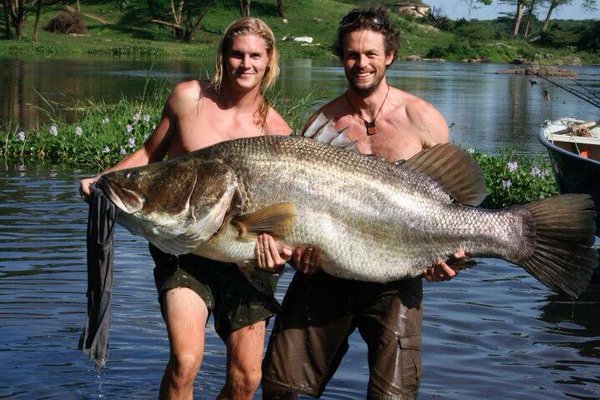
Fishing
- Permitted in designated areas
- Common catch: tilapia
🌱 Ecological Importance
The lakes:
- Maintain water balance in the park
- Support wetland vegetation
- Act as climate regulators
- Provide breeding grounds for fish and birds
They are crucial for maintaining the fragile savannah ecosystem.
⚠️ Conservation Challenges
Despite their importance, the lakes face threats:
- Encroachment from surrounding communities
- Pollution and overfishing
- Climate variability affecting water levels
Efforts by the Uganda Wildlife Authority aim to protect these water bodies through sustainable management.