Bwindi Impenetrable National Park
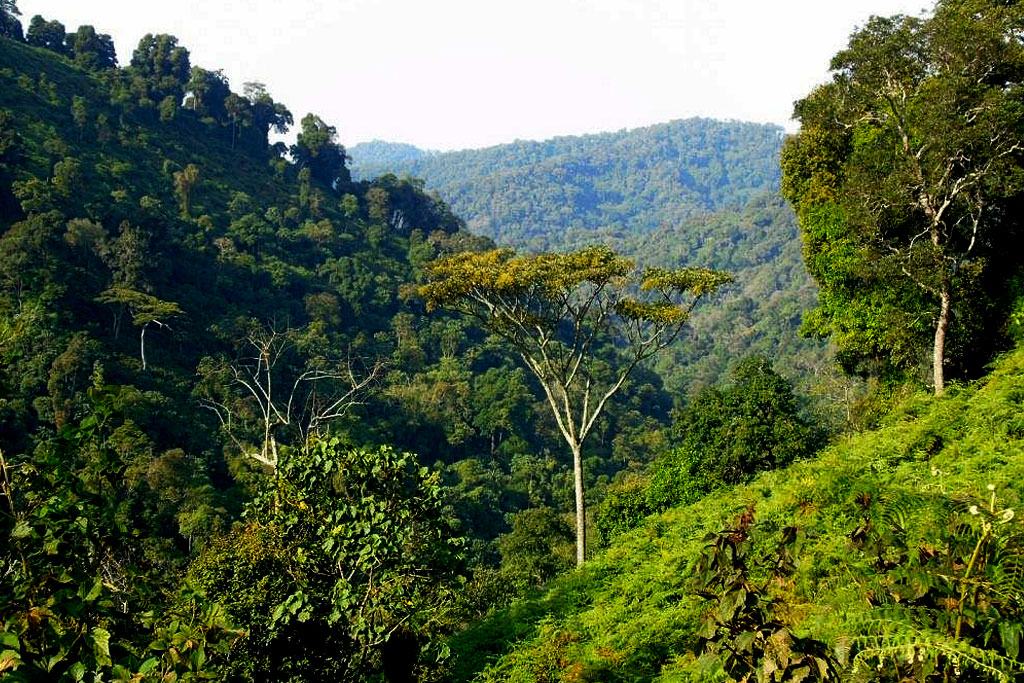
Bwindi Impenetrable National Park is one of Uganda’s most famous wildlife destinations and a globally recognized conservation area. Located in the southwestern part of Uganda, this remarkable national park is known for its dense tropical rainforest, exceptional biodiversity, and as the home of nearly half of the world’s remaining mountain gorillas.
Covering approximately 331 square kilometers, Bwindi Impenetrable National Park is one of Africa’s most ancient forests, believed to have existed for over 25,000 years. The park’s thick vegetation, steep hills, and deep valleys create a mysterious and adventurous environment for visitors. Because of its ecological importance, the park was declared a UNESCO World Heritage Site in 1994.
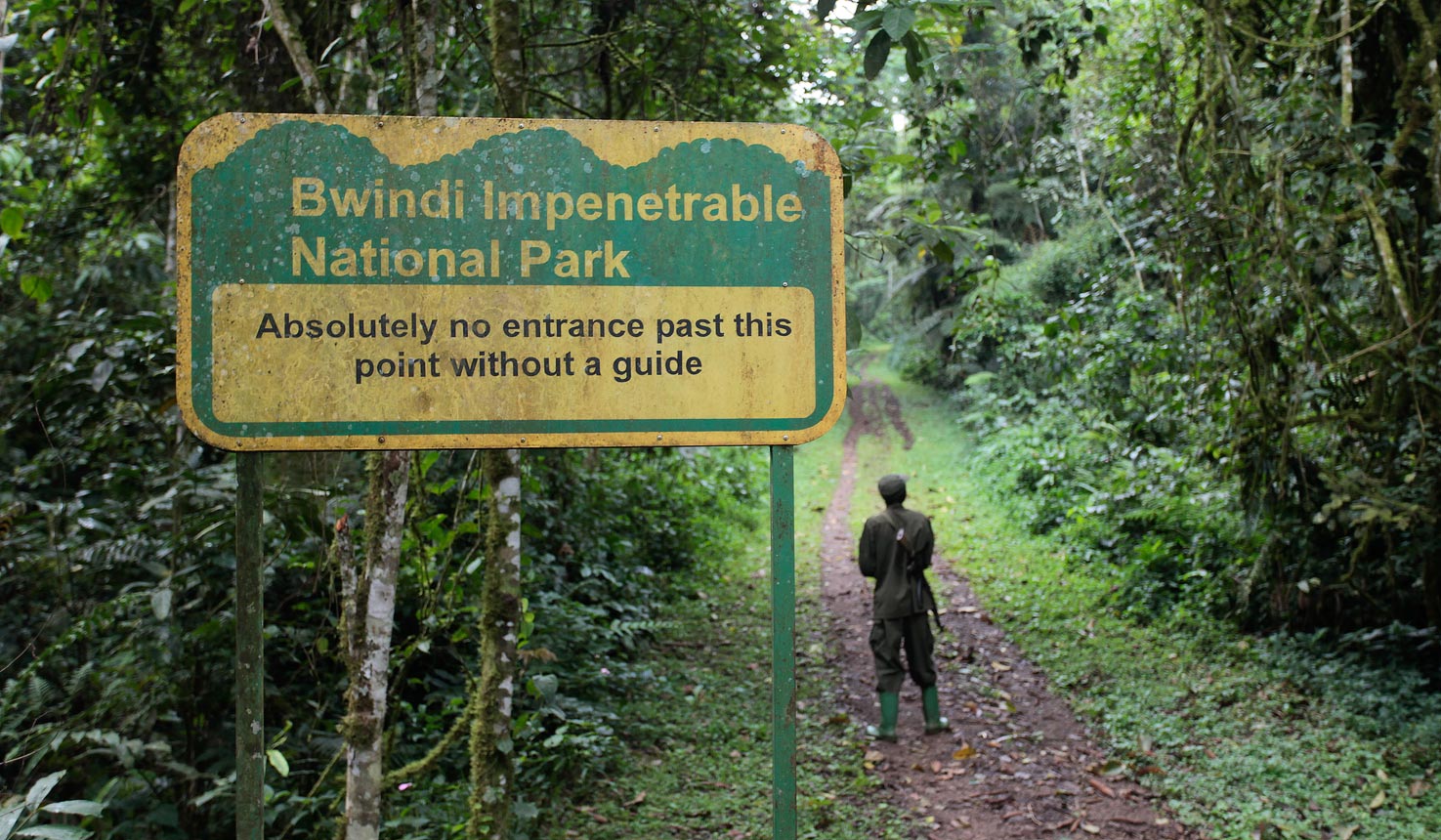
Location and Accessibility
Bwindi Impenetrable National Park is located in southwestern Uganda, along the border with the Democratic Republic of Congo. The park lies within the districts of Kisoro, Kabale, and Kanungu.
The park is about 460 kilometers from Kampala, Uganda’s capital city. Travelers can reach Bwindi by road or by domestic flights from Entebbe to nearby airstrips such as Kisoro or Kihihi.
The journey to Bwindi by road takes approximately 8–10 hours, but the drive offers spectacular views of Uganda’s countryside, terraced hills, tea plantations, and rural communities.
History and Conservation
Before it became a national park, Bwindi was a forest reserve that was mainly protected for its natural resources and biodiversity. In 1991, the Ugandan government officially declared the forest a national park in order to protect its rare wildlife, particularly the endangered mountain gorillas.
Bwindi is one of the few places in the world where these gorillas live in the wild. Conservation efforts have helped increase the population of mountain gorillas, making Bwindi a success story in wildlife protection.
Local communities also play an important role in conservation by participating in tourism activities and benefiting from revenue generated by visitors.
Mountain Gorilla Trekking
The most famous activity in Bwindi Impenetrable National Park is mountain gorilla trekking.
Visitors join guided groups led by trained park rangers who track gorilla families deep within the forest. The trek may take anywhere from 1 to 6 hours, depending on the location of the gorilla group.
Once the gorillas are located, visitors are allowed to spend one hour observing them in their natural environment.
Watching mountain gorillas interact, feed, and care for their young is an unforgettable wildlife experience. The close similarity between gorillas and humans makes the encounter even more fascinating.
Bwindi currently has several habituated gorilla families, meaning they are accustomed to human presence and can be visited by tourists.
Wildlife and Biodiversity
Bwindi Impenetrable National Park is one of the most biologically diverse forests in Africa.
Mammals
The park is home to more than 120 mammal species, including:
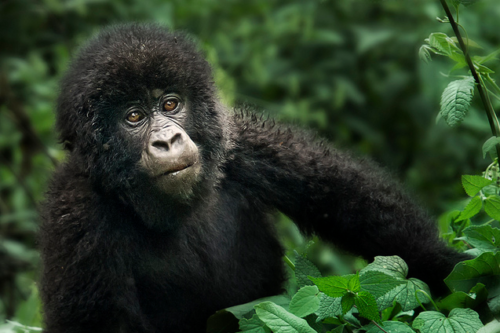
Mountain gorillas
Forest elephants
Chimpanzees
Bush pigs
Black-and-white colobus monkeys
Blue monkeys
L’Hoest’s monkeys
Because of the thick forest, many animals are difficult to see, but the park remains an important habitat for numerous species.
Bird Species
Bwindi is also a paradise for bird lovers, with over 350 bird species recorded in the park.
Some notable birds include:
African green broadbill
Rwenzori turaco
Shelley’s crimsonwing
Handsome francolin
Black bee-eater
The park is considered one of the best birdwatching destinations in Africa.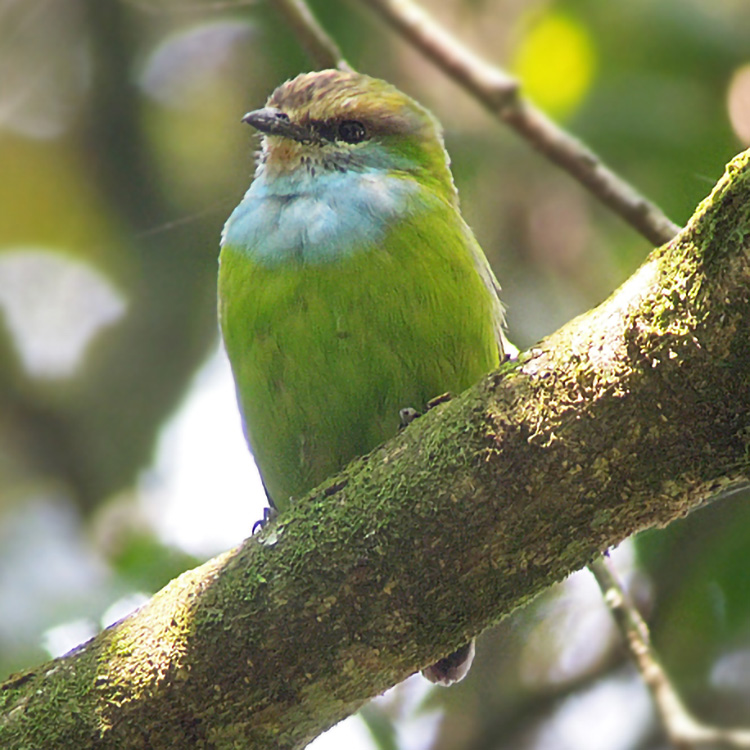
Plants and Forest Vegetation
Bwindi’s forest is incredibly rich in plant life, with more than 1,000 plant species recorded.
The vegetation includes:
Tropical rainforest trees
Bamboo forests
Ferns
Moss-covered vegetation
Medicinal plants used by local communities
The thick vegetation and mist-covered hills give the park its name “Impenetrable.”
Cultural Experiences
Visitors to Bwindi can also experience the rich culture of local communities living near the park.
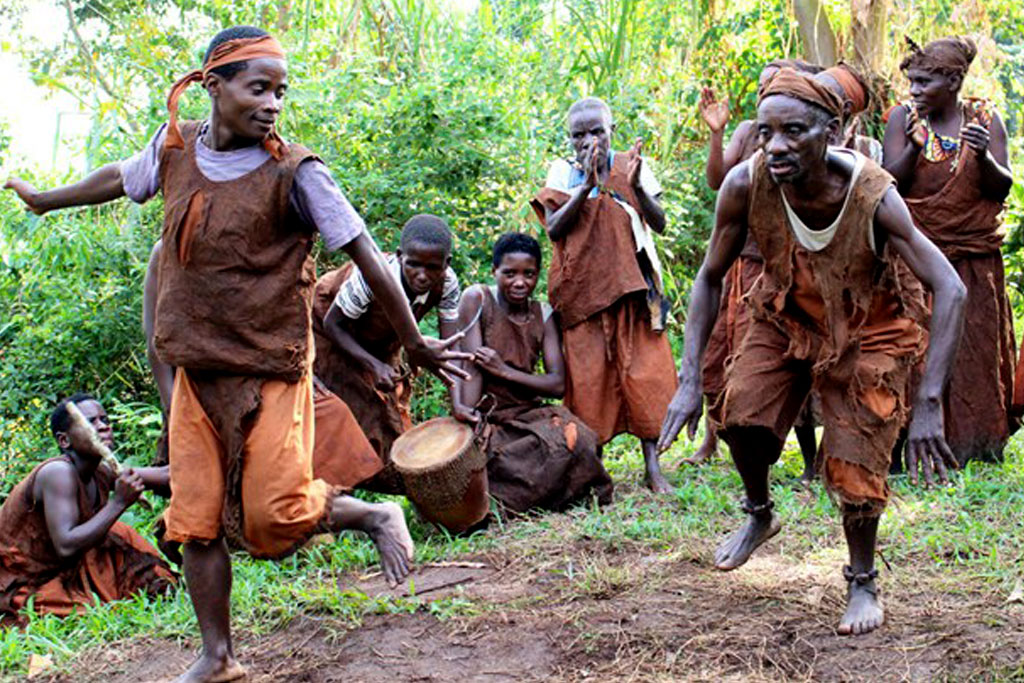
One of the most famous cultural groups associated with Bwindi is the Batwa people, who were the original forest dwellers.
Cultural activities include:
Batwa cultural performances
Traditional storytelling
Demonstrations of hunting and gathering techniques
Visits to local villages
These experiences help visitors understand the traditional lifestyle and heritage of the Batwa people.
Other Activities in Bwindi
In addition to gorilla trekking, visitors can enjoy several other activities within the park.
Nature Walks
Guided forest walks allow visitors to explore Bwindi’s beautiful landscapes, waterfalls, and wildlife.

Bird Watching
Birdwatching tours provide opportunities to see rare and endemic bird species found only in the Albertine Rift region.

Community Visits
Tourists can visit nearby communities to learn about local traditions, crafts, and agricultural practices.
Best Time to Visit
Bwindi Impenetrable National Park can be visited throughout the year, but the best time for gorilla trekking is during the dry seasons:
June to August
December to February
During these months, forest trails are less slippery and trekking conditions are easier.
However, the rainy seasons also offer beautiful scenery, greener forests, and excellent birdwatching opportunities.
Accommodation
There are many accommodation options around Bwindi Impenetrable National Park, ranging from luxury lodges to budget camps.
Visitors can choose from:
Luxury safari lodges
Mid-range hotels
Budget guesthouses
Eco-lodges
Most lodges provide comfortable rooms, meals, and spectacular views of the surrounding forest.